
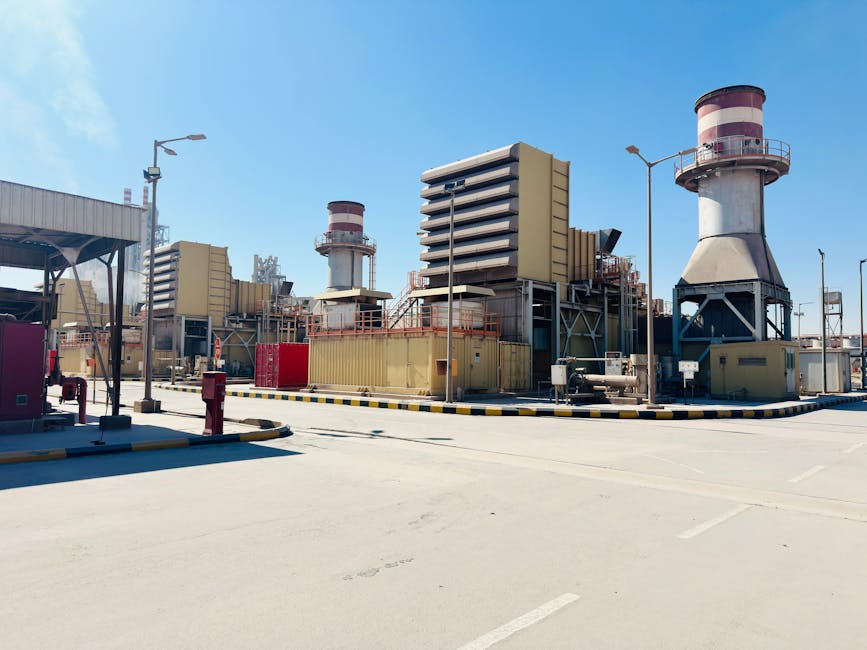
Natural gas remains the fastest path to dispatchable power at the scale behind-the-meter projects need. Bell Engineering® designs, simulates, and manages natural gas power generation projects from 1 MW reciprocating engine packages to 100+ MW gas turbine plants, with fast deployment schedules and a well-established equipment supply chain.
Reciprocating engine packages in the 1 MW to 20 MW range for distributed generation and co-located loads. Aeroderivative and industrial gas turbines from 20 MW to 100+ MW for larger loads including AI data center campuses. Combined cycle configurations where heat recovery economics justify the additional capital. Single-unit and multi-unit plant designs sized to the off-taker’s actual load profile, including N+1 reliability where uptime matters.
Natural gas packages can move from engineering kickoff to commercial operation in 12 to 24 months for reciprocating engine plants, and 18 to 36 months for gas turbine plants, depending on equipment delivery lead time and permitting pathway. Bell’s role is to compress that timeline wherever possible by running engineering in parallel with equipment procurement and by identifying constructability issues before they become schedule drivers.
Process simulation of fuel gas conditioning, exhaust heat recovery options, and selective catalytic reduction systems in ProMax. Mechanical design of the power island and balance of plant. Electrical and instrumentation design including switchgear, controls, and protection. Civil and structural design for foundations, buildings, and tie-ins to existing infrastructure. Emissions permitting support including air dispersion modeling and agency interaction. Integration engineering where the plant is co-located with an AI data center or other high-density load, including load profile matching and black-start capability.
Bell has worked in natural gas for forty years across the upstream and midstream sectors. Every core technology in a modern natural gas power plant, from compression to combustion to heat recovery, is something Bell engineers have designed, simulated, operated, or troubleshot in adjacent industrial applications. That depth translates directly into better decisions on the power project and fewer surprises during startup.
Air permitting is where many behind-the-meter natural gas projects slow down. Bell supports developers through air dispersion modeling, emissions inventory development, and state agency interaction, with the goal of getting a defensible permit package in front of regulators on the first pass. NOx control, CO control, and greenhouse gas reporting requirements are scoped and designed in from the outset, not bolted on after the equipment order.
Integration with the off-taker’s load profile is the other common failure point. An AI data center load is not a flat load. Bell scopes plant design against the real load curve, including ramp rates, black-start requirements, and N+1 reliability where uptime economics justify the extra unit. The engineering work and the commercial deal stay aligned.
Rather talk than type? Call now for a consultation (409) 745-2877 View our Capabilities Statement.