

Asset Integrity Management Across the Full Equipment Lifecycle
Bell Engineering®‘s Asset Integrity Management System (AIMS) helps you manage the degradation of pressure-containing and pressure-relieving equipment across the full asset lifecycle—from initial commissioning through retirement. Asset integrity is not simply an inspection program. It is a risk management framework that integrates equipment history, damage mechanism analysis, inspection findings, and operating data into a systematic program that protects people, the environment, and production continuity.
Bell Engineering®‘s AIMS program is built on the API inspection codes—API 510 (Pressure Vessel Inspection), API 570 (Piping Inspection), and API 653 (Aboveground Storage Tank Inspection)—and the Risk-Based Inspection (RBI) methodology described in API 580 and API 581. Bell’s AIMS team includes API-certified inspection professionals and process safety engineers who combine the technical and operational perspectives that effective asset integrity work requires.
What We Deliver
Bell’s AIMS program addresses every phase of equipment lifecycle management:
- Equipment registration and data baseline development
- Damage mechanism review (DMR) and degradation rate modeling
- Risk-Based Inspection (RBI) analysis and inspection planning per API 580/581
- Inspection execution support and findings review
- Fitness-for-service (FFS) assessments per API 579-1/ASME FFS-1
- Alteration and repair engineering under API 510 and 570
- Corrosion management program development
- Inspection data trending and long-range inspection planning
- Asset retirement and replacement decision support
Bell integrates AIMS deliverables into SAP PM, Meridium, GE APM, and other IDMS platforms in common use across Gulf Coast industrial facilities.
- Asset Integrity Management System design and implementation
- Risk-Based Inspection (RBI) planning per API-580 and API-581
- Damage condition identification and mitigation strategies
- Real-time data links to equipment, maintenance, and control systems
- Custom mobile and web portals for asset data access
- PAS 55 compliance support
- Centralized secure database for process and equipment data
- Ongoing asset integrity monitoring and reporting
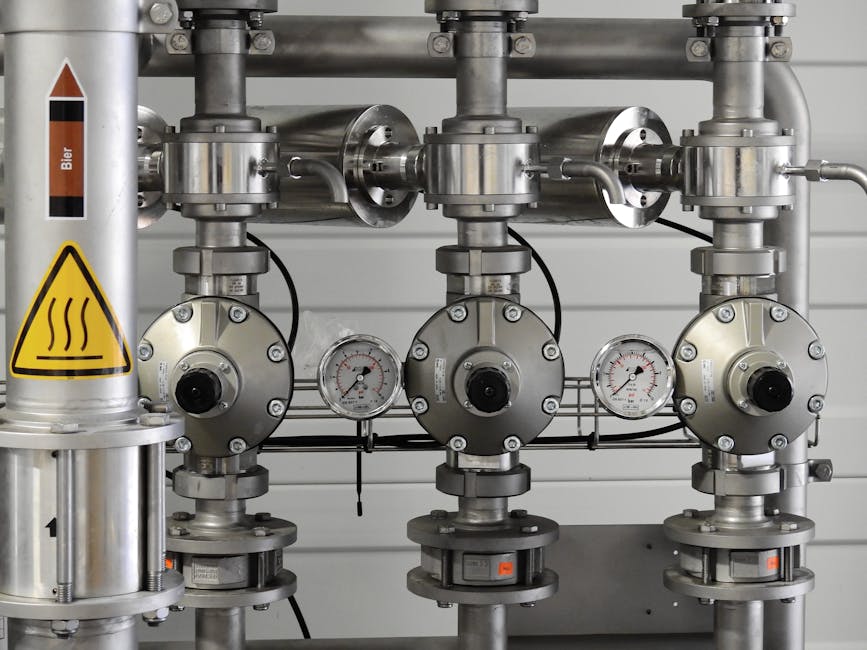
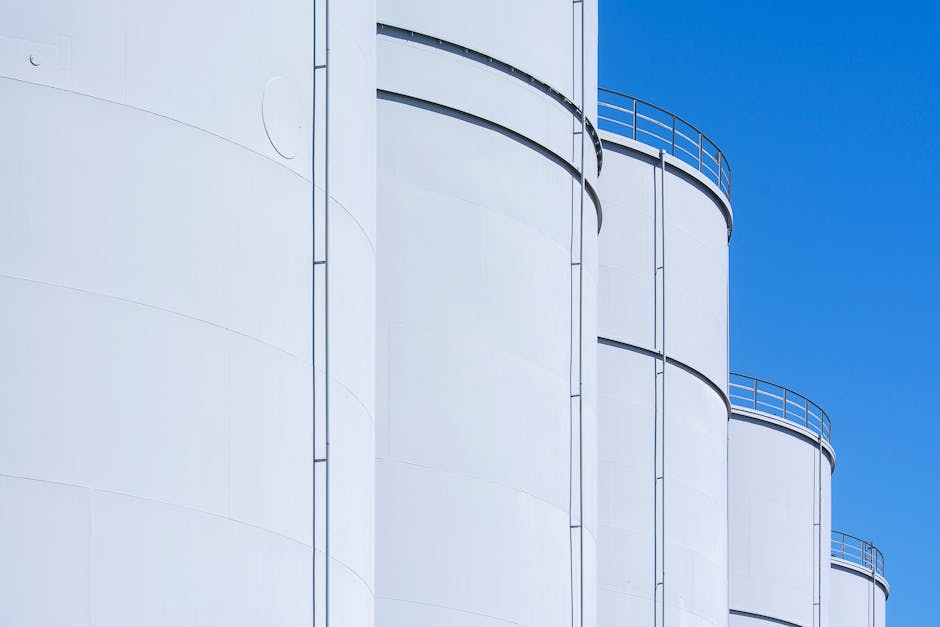
Risk-Based Inspection
Risk-Based Inspection (RBI) is the cornerstone of an effective asset integrity program. RBI balances risk reduction with inspection resource efficiency—ensuring that high-consequence, high-likelihood-of-failure equipment receives adequate coverage while lower-risk equipment is managed proportionally. Bell Engineering®‘s RBI analysis identifies and ranks damage mechanisms specific to each piece of equipment: corrosion under insulation (CUI), high-temperature hydrogen attack (HTHA), sulfidation, chloride stress corrosion cracking, amine cracking, naphthenic acid corrosion, and other process-specific degradation mechanisms are evaluated against each item’s operating history, materials of construction, and inspection record to produce a ranked risk register that drives rational, defensible inspection planning.
Damage Condition Identification
Identifying active damage mechanisms is one of the most critical—and one of the most consequential—steps in asset integrity management. Missing an active damage mechanism means deploying the wrong inspection method, which means missing the defect, which means a potential loss of containment event with personnel safety, environmental, and business consequences.
Bell Engineering®‘s damage mechanism review process combines formal screening tools from API 571 (Damage Mechanisms Affecting Fixed Equipment in the Refining Industry) with experienced process safety engineering judgment and the actual operating history and inspection record of your specific equipment. Bell’s DMR work produces documented output that your inspection contractors can act on, your PSM program can reference, and your management team can rely on as evidence of a disciplined, defensible asset integrity program.

Put Our Engineering Expertise to Work for You
Contact Bell Engineering® to discuss your asset integrity needs.